
Ottorino Respighi
Italian composer famed for his Roman tone poems.

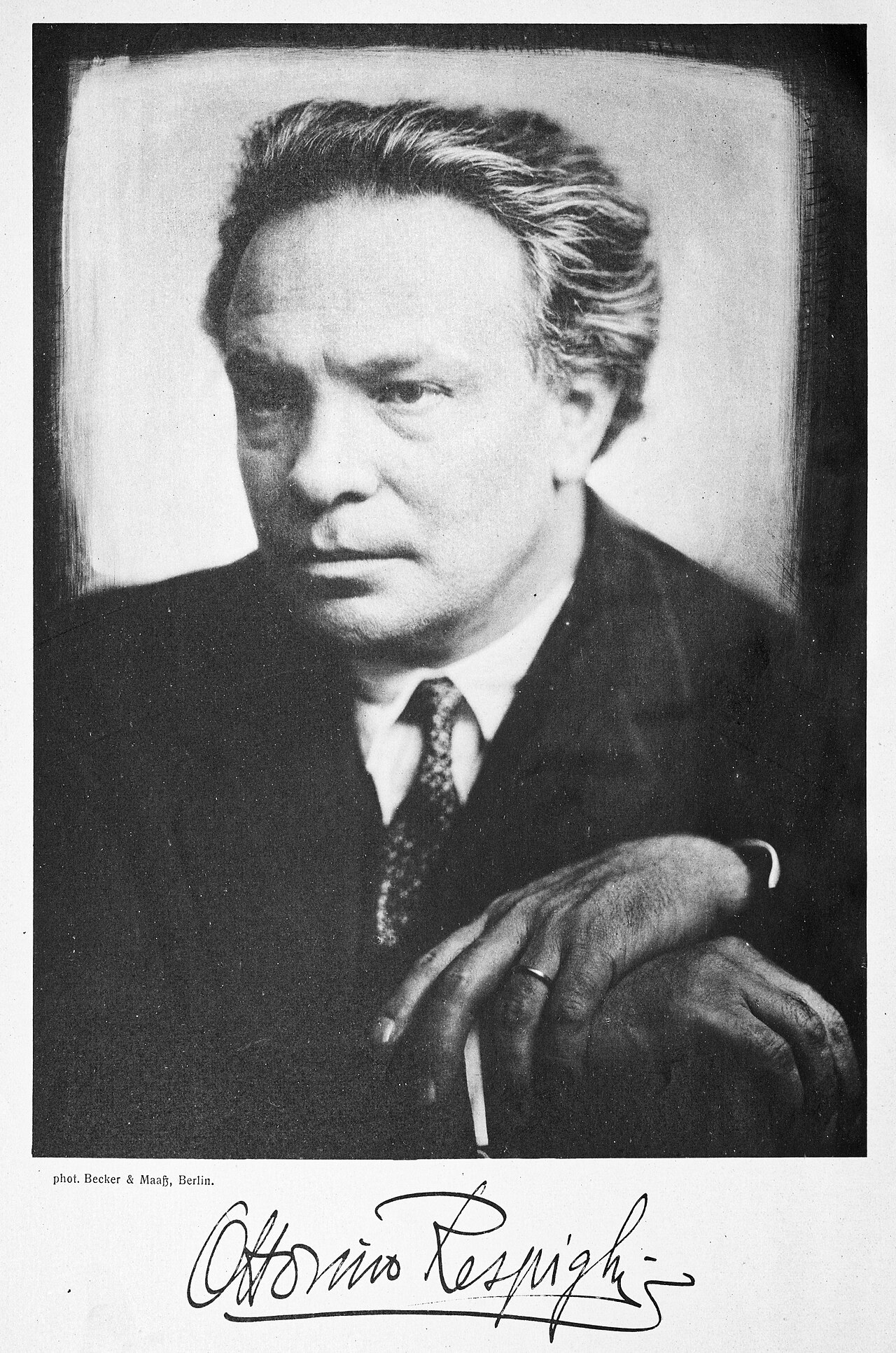
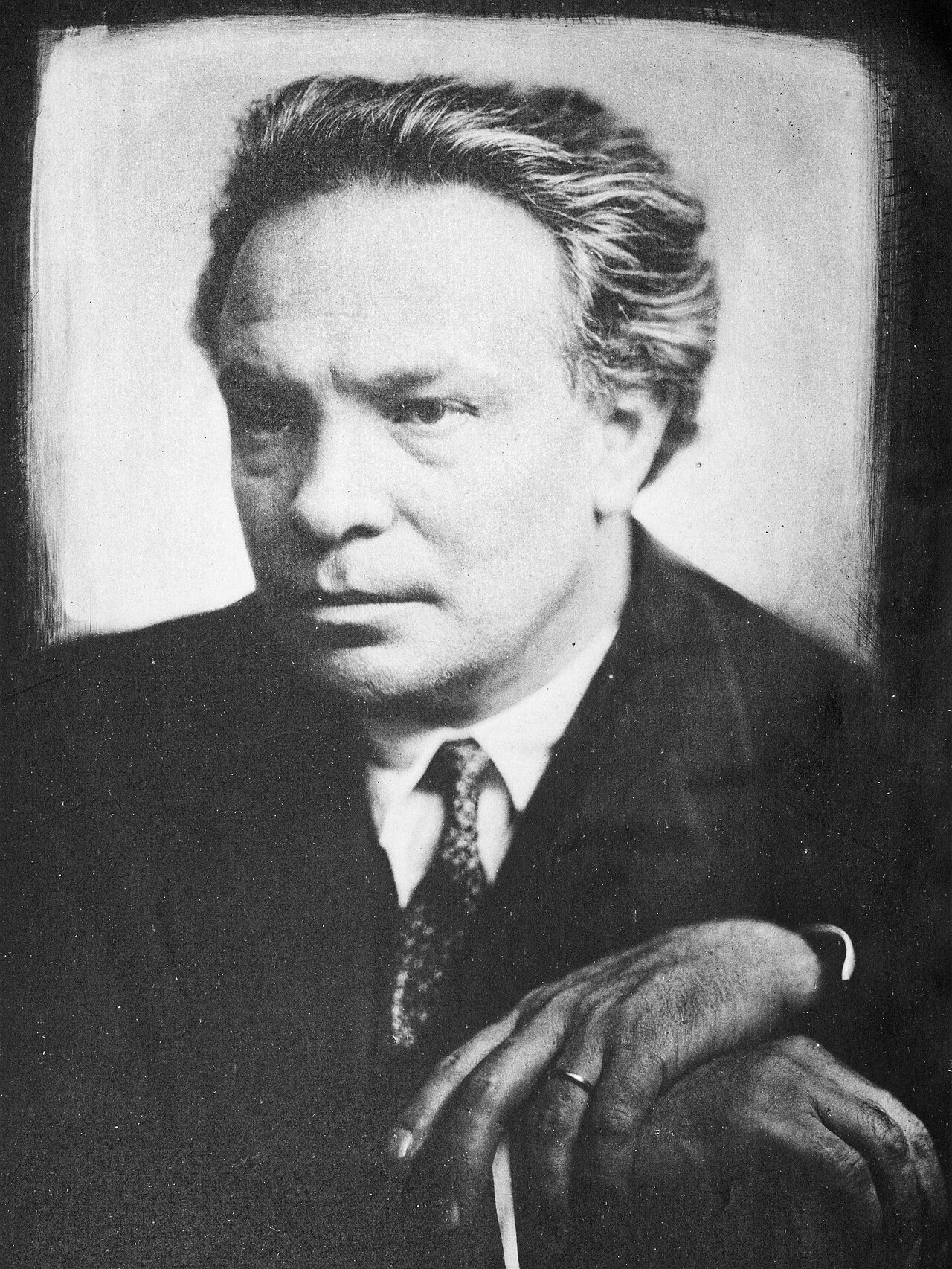
Becker & Maass / Marie Boehm · Public domain
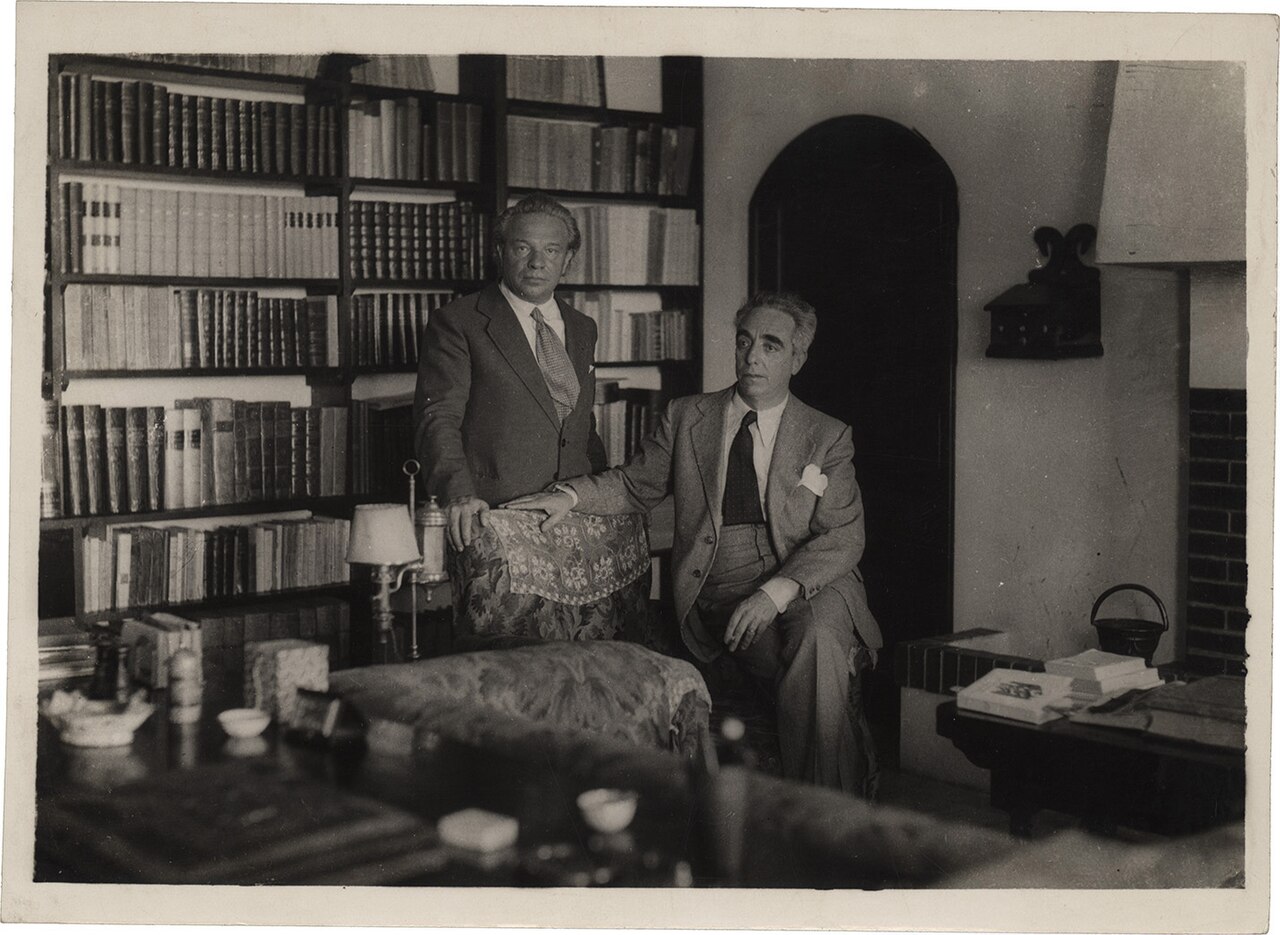
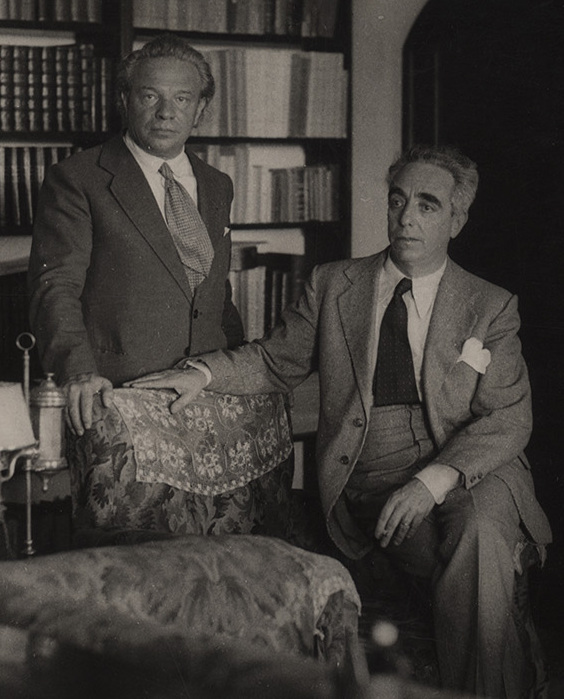
Ottorino Respighi (9 July 1879 – 18 April 1936) was an Italian composer, violinist, teacher, and musicologist, and one of the leading Italian composers of the early 20th century. His compositions range over operas, ballets, orchestral suites, choral songs, chamber music, and transcriptions of Italian compositions of the 16th–18th centuries, but his best known and most performed works are his three orchestral tone poems which brought him international fame: *Fountains of Rome* (1916), *Pines of Rome* (1924), and *Roman Festivals* (1928).
- born
- 9 July 1879, Bologna, Italy
- died
- 18 April 1936, aged 56
- field
- Composer, violinist, teacher, musicologist
- nationality
- Italian
- known_for
- Three orchestral tone poems: Fountains of Rome, Pines of Rome, Roman Festivals
Verified Timeline
Lore & Background
Respighi was born in Bologna to a musical and artistic family. He was encouraged by his father to pursue music at a young age, and took formal tuition in the violin and piano. In 1891, he enrolled at the Liceo Musicale di Bologna, where he studied the violin, viola, and composition, was principal violinist at the Russian Imperial Theatre, and studied briefly with Nikolai Rimsky-Korsakov. He relocated to Rome in 1913 to become professor of composition at the Liceo Musicale di Santa Cecilia. During this period he married his pupil, singer Elsa Olivieri-Sangiacomo. In 1923, Respighi quit his professorship to dedicate time to tour and compose, but continued to teach until 1935. He performed and conducted in various capacities across the United States and South America from 1925 until his death.
Reader's Guide
Respighi's significance lies in his synthesis of late Romantic orchestration with early 20th-century Italian traditions, particularly through his three Roman tone poems. His work also includes operas, ballets, orchestral suites, choral songs, chamber music, and transcriptions of Italian compositions from the 16th–18th centuries. His transcriptions, such as the Monteverdi 'Lamento d'Arianna', contributed to the rediscovery of earlier Italian music. After his death from bacterial endocarditis in 1936, his wife Elsa championed his legacy for nearly 60 years. Conductor and composer Salvatore Di Vittorio completed several of Respighi's incomplete works, including the Violin Concerto in A major (1903), premiered in 2010.
Did You Know?
- Respighi taught himself the harp in the course of several days.
- He avoided writing scales in his compositions because he could not play them correctly on the piano.
- Respighi's wife Elsa outlived him for almost 60 years, championing his works until her death in 1996.
- He met Albert Einstein in Berlin, who was impressed with Respighi's understanding of his scientific theories.
- Respighi's father once arrived home to find him confidently reciting the Symphonic Studies by Robert Schumann, which he had learned to play in secret.
The Roman Triptych and a Composer's Range
Respighi's output spanned an impressive breadth—operas, ballets, orchestral suites, choral works, chamber pieces, and transcriptions of Italian music from the sixteenth through eighteenth centuries. Yet it was three orchestral tone poems that cemented his international reputation: *Fountains of Rome* (1916), *Pines of Rome* (1924), and *Roman Festivals* (1928). These works, all rooted in the city where he settled in 1913, became his most performed and recognized compositions. Beyond the concert hall, Respighi maintained a parallel life as a performer and educator. He served as principal violinist at the Russian Imperial Theatre, played in Bruno Mugellini's touring chamber quintet, and held a professorship in composition at the Liceo Musicale di Santa Cecilia in Rome. From 1925 until his death, he traveled extensively across the United States and South America, performing and conducting in various capacities, ensuring his music reached audiences far beyond Italy's borders.
A Musical Inheritance and Formative Training
Respighi entered the world into a household steeped in the arts. His father Giuseppe, a postal worker by profession, was an accomplished pianist who had studied under Stefano Golinelli and taught at the Accademia Filarmonica di Bologna, while his mother Ersilia descended from a family of distinguished sculptors. Though Giuseppe encouraged his son's musical development, young Ottorino showed little interest until he was almost eight. A memorable incident—his violin teacher striking his hand with a ruler for playing a passage incorrectly—briefly derailed his lessons before a more patient instructor restored his confidence. His piano remained a hit-and-miss affair initially; he was essentially self-taught on that instrument and later avoided scales in his compositions due to his inability to play them correctly. By contrast, he taught himself the harp in the course of several days. His formal education at the Liceo Musicale di Bologna, where he studied the violin and viola with Federico Sarti and organ, counterpoint, and fugue with Cesare Dall'Olio, laid the groundwork for a career that would blend performance, composition, and scholarship.
The Saint Petersburg Crucible
The winter of 1900 marked a turning point. Respighi accepted the position of principal violist in the orchestra of the Russian Imperial Theatre in Saint Petersburg, and there he encountered Nikolai Rimsky-Korsakov, a composer he greatly admired. Over five months, Rimsky-Korsakov provided him with valuable and influential lessons in orchestration and composition. When he returned to Russia in the winter of 1902 for another series of performances, further lessons were arranged. Back in Bologna, he completed his final composition exam with a *Preludio, corale e fuga* written under Rimsky-Korsakov's guidance. The piece was a resounding success, and his director Giuseppe Martucci, upon awarding the diploma, said: 'Respighi is not a pupil, Respighi is a master.' This period of rigorous training, combined with Martucci's earlier influence as a proponent of non-operatic Italian music, gave Respighi the technical command and artistic confidence to pursue a distinctly Italian orchestral idiom.
A Legacy Sustained by Devotion
Respighi's life was cut short in April 1936, when he succumbed to bacterial endocarditis just four months after the diagnosis, while still working on his opera *Lucrezia*. He was fifty-six. His wife Elsa Olivieri-Sangiacomo, whom he had married during his Rome professorship, outlived him for almost 60 years. For the remainder of her long life, she devoted herself to championing her late husband's works and legacy, a stewardship that carried her to her own death in 1996. The composer's unfinished and unpublished manuscripts did not simply vanish. Conductor and composer Salvatore Di Vittorio undertook the task of completing several of these works, including the finished Violin Concerto in A major (1903) which finally received its premiere in 2010. Through Elsa's decades of advocacy and Di Vittorio's scholarly reconstruction, Respighi's musical voice continued to find new audiences long after his passing, ensuring that his contributions to early twentieth-century Italian music remained a living part of the repertoire.
Gallery
Frequently Asked Questions
Who is Ottorino Respighi?
Respighi was an Italian composer, violinist, teacher, and musicologist born in Bologna in 1879. He is widely regarded as one of the foremost Italian composers working in the early 1900s.
What is Ottorino Respighi most famous for?
He is best known for his three orchestral tone poems set in Rome: Fountains of Rome (1916), Pines of Rome (1924), and Roman Festivals (1928). These works earned him lasting international recognition.
What are the 'Roman' tone poems?
They are three large-scale orchestral works—Fountains of Rome, Pines of Rome, and Roman Festivals—each painting a different sensory picture of the city. Together they form Respighi's signature contribution to the orchestral repertoire.
When did Ottorino Respighi die?
He passed away on 18 April 1936 at the age of 56. His career as a composer and educator spanned roughly the first third of the twentieth century.
Why is Ottorino Respighi important to 20th-century music?
He helped establish a distinctly Italian voice in early modern orchestral writing, blending rich Romantic color with the structural clarity of his era. His Roman tone poems remain staples of the concert hall and continue to define his legacy.
More in Modernist & 20Th-Century Composers 1-17
Spotted an error? Know more?
This is a living reference — every entry is fact-audited, and reader corrections feed straight into our audit queue. Suggest an edit · See this site's audit record